
Powered By



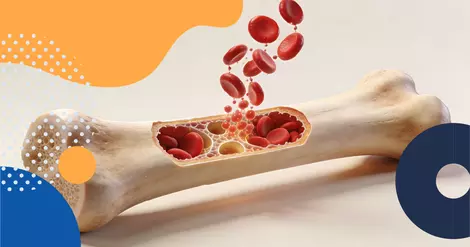
Polycythemia vera (PV) is a rare form of blood cancer that can raise your risk of blood clots. Blood clots form when blood cells and proteins clump together. If blood clots block blood flow, it’s a medical emergency that needs to be treated immediately.
People with PV have bone marrow that produces too many red blood cells, making their blood thick and slow. This can lead to complications like heart attack, stroke, and blood clots. Fortunately, there are treatment options available to manage PV and lower your risk of blood clots.
In this article, we’ll cover how to recognize warning signs of a blood clot and what to do to lower your risk.
Sign up to view the results!
 Continue with Facebook
Continue with Email
Continue with Facebook
Continue with Email
Blood clots develop when blood cells called platelets clump together. When you cut yourself, your blood naturally clots to prevent too much blood loss. However, when blood clots block the blood vessels, it’s dangerous.
PV raises the risk for blood clots because the blood is thick and can’t move easily along the blood vessels. When blood sits in place, there’s an increased risk of clotting.
For some people, a blood clot may be the first sign of PV.
A 2023 analysis found that out of 20,089 people with PV, 25.1 percent developed a blood clot over the 4.3 years of the study. Blood clots occurred in 13.3 percent of people with low-risk PV and 50.2 percent of those considered high risk because of a previous blood clot.
Anyone with PV is at risk of blood clots, but certain factors can raise the risk even more. Your risk is higher if you’re over 60 and have a history of previous blood clots.
There are different types of blood clots, depending on where they form in the body. A blood clot in the lungs is called a pulmonary embolism (PE).
This type of clot usually starts somewhere else in the body, then travels through the veins to the lungs. A PE is a medical emergency and needs immediate treatment.
When a blood clot forms in an arm or leg, it’s called a deep vein thrombosis (DVT). These clots are more common in the legs than the arms.
DVTs form in veins deep in the body. If a clot in the leg or arm breaks free and travels to the lungs, it can cause a PE.
In the 2023 review, DVTs were the most common clot, followed by PEs, and then superficial thrombophlebitis — blood clots in the veins just below the skin.
Blood clots can become life-threatening when they block blood flow to the heart, lungs, or brain. A blood clot in the brain can cause a stroke, and a blood clot in the heart can cause a myocardial infarction (heart attack).
In the 2023 review of 20,089 people with PV, 7.1 percent experienced a stroke, and 6.4 percent had a myocardial infarction.
Knowing the signs of a PE can help you know when to seek treatment. It’s estimated that up to 1 in 3 people with a PE die within hours of developing symptoms. Quick action is essential.
PV is a chronic disease. This means there’s no cure. Fortunately, there are treatment options available to manage the disease and lower your risk of blood clots.
The goal of PV treatment is to lower the number of red blood cells in the blood and manage symptoms. Your treatment team will refer to your hematocrit level (the percentage of red blood cells in your blood) when starting or adjusting your treatment plan.

In general, PV treatment will focus on keeping the hematocrit level below 45 percent for men and 42 percent for women, according to Blood Cancer United.
 Follow Your PV Treatment Plan
Your PV care team will work with you to develop a treatment plan to lower your risk of blood clots. Your doctor will see you for regular appointments to monitor for any signs of clots or other complications.
 Treatment options that help reduce the risk of blood clots include:
Stay Physically ActiveMoving your body keeps your blood moving. This can reduce the risk of blood cells clumping together and forming a clot. Sitting for long periods of time raises the risk of DVTs and PEs.
Exercise is also a helpful way to maintain a healthy weight and manage stress. Aim to stay active throughout the day to lower the risk of DVTs.
Maintain a Healthy WeightMaintaining a healthy weight helps lower your risk of heart disease and blood clots. Daily exercise and eating a nutrient-dense diet can help.
The Mediterranean diet offers anti-inflammatory benefits and may lower the risk of heart disease. This diet focuses on vegetables, fruits, whole grains, lean proteins, and healthy fats.
Avoid SmokingSmoking increases the risk of blood clots in everyone, especially in people with PV. When you’re exposed to tobacco smoke, your blood vessels narrow, making it harder for blood to flow.
If you currently smoke, talk with your doctor about resources to help you quit. If you live with someone who smokes, talk with them about your health risks and make a plan to protect yourself.
Be Cautious in High AltitudesPeople with PV are at risk of low oxygen levels in their blood. Spending time in high altitudes, especially when you’re not used to it, can also lower oxygen levels. While this may not cause a clot, it can lead to serious health problems.
Talk With Your DoctorTalk with your PV specialist about your risk of blood clots and how to prevent them. Your healthcare team can explain your individual risk factors and develop the right treatment plan for you. Never hesitate to reach out to your team with questions.
If you suspect you have a blood clot, seek emergency medical care.
 On myMPNteam, people share their experiences with myeloproliferative neoplasms, get advice, and find support from others who understand.
Have you experienced a blood clot? What were the first signs? Let others know in the comments below.
Get updates directly to your inbox.


 Continue with Facebook
Continue with Email
Continue with Facebook
Continue with Email
Continue with Facebook
Continue with Email
Continue with Facebook
Continue with Email
Become a member to get even more





 Join
Join

 Your Privacy Choices

This is a member-feature!
Sign up for free to view article comments.
We'd love to hear from you! Please share your name and email to post and read comments.
You'll also get the latest articles directly to your inbox.